8:4 - lifting the veil: what I took home from vipassana
No talking, no eye contact, no leaving the premises. These rules of Vipassana, a silent meditation technique taught over ten days, frightened me so much that I almost backed out at the last minute. Would I sacrifice my autonomy? Would my thoughts drive me mad? It seemed strict, extreme, and bleak. What I experienced was full of surprises.
The first surprise was almost immediate. The silence felt familiar–mirroring the way I already navigate the world: messaging while walking to the station, eyes on navigation apps as I weave through streets, podcast drifting through earbuds in the supermarket checkout lines, gaze lowered in packed elevators, shoulders pressed together on rush hour trains in quiet discomfort.
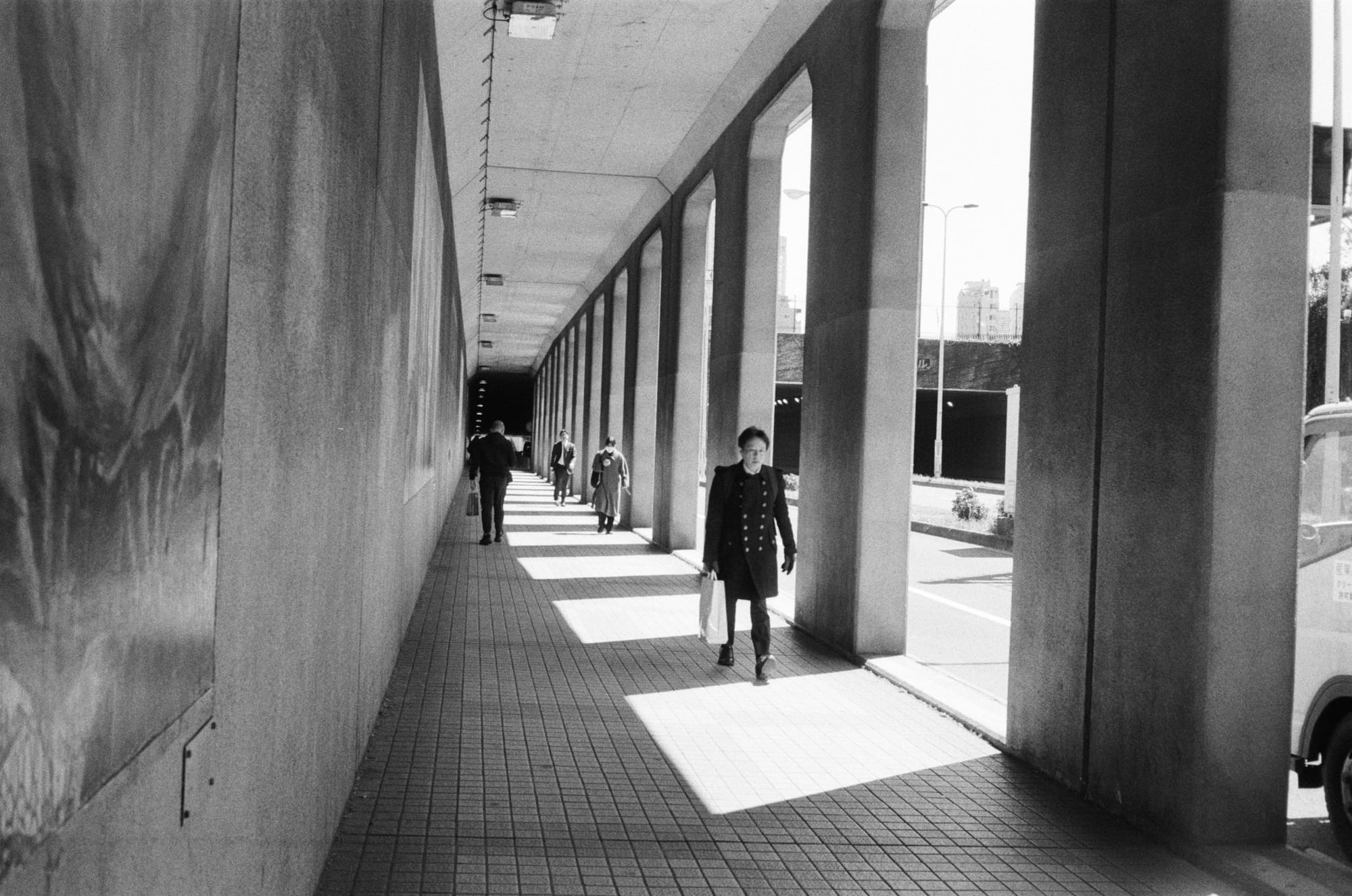
In the in-between moments of daily life–the spaces between meetings, coffees, dinners–I already stay in my own bubble, barely registering the shadows of people around me. The course rules seemed to replicate the default, just without the phones and earbuds and schedules to distract or justify the disconnection.
Beyond the familiarity, I’ll guiltily admit that I felt relief in not having to engage with strangers–no small talk in meal lines, or forced smiles despite excruciating back and leg pain. With every averted glance, it felt like a dark veil separated us, making everyone seem unfriendly and closed off. I assumed the only thing we had in common was being in the same place at the same time.
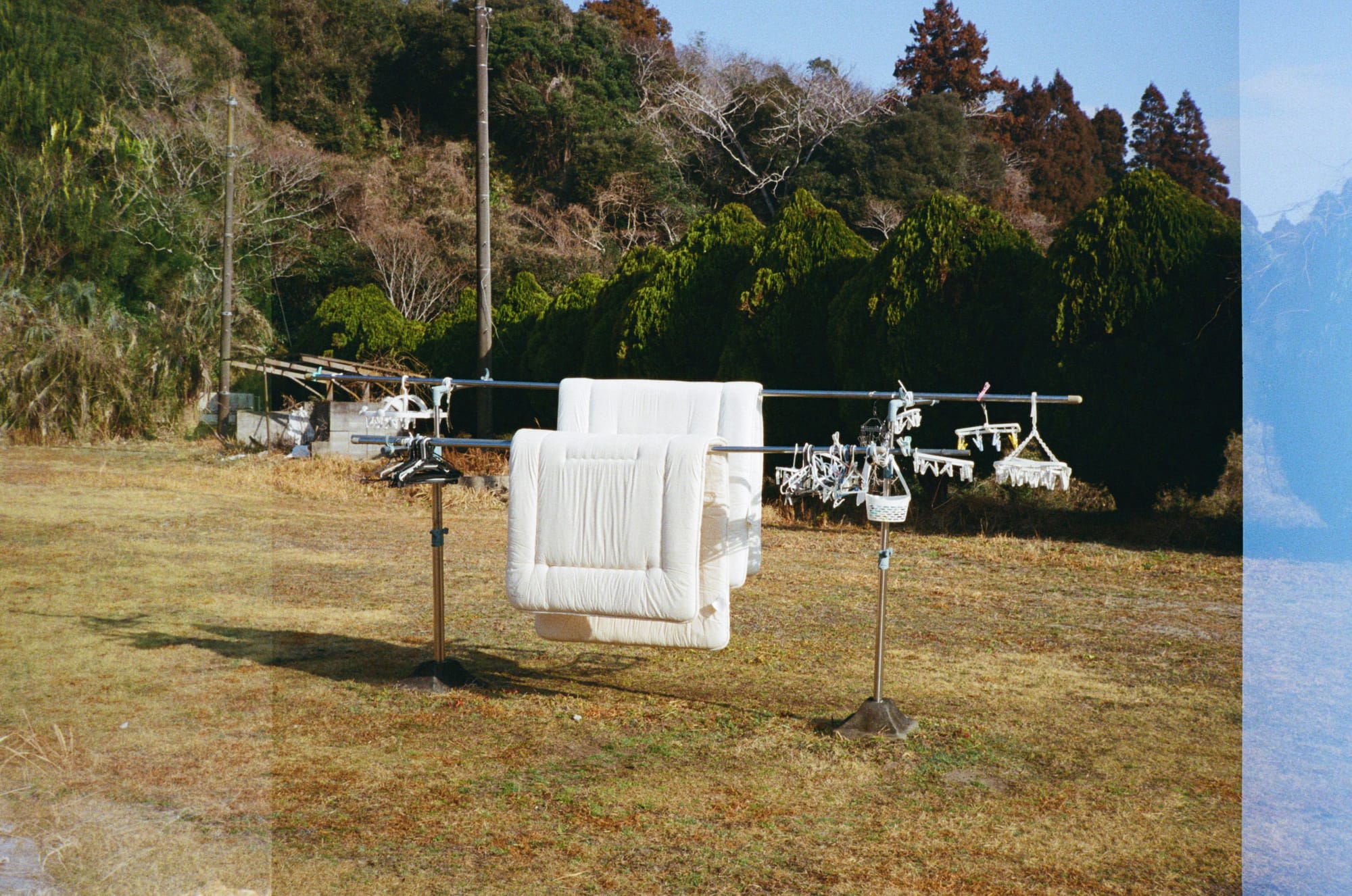
Yet despite no words exchanged, our awareness of each other emerged and grew through little moments: someone holding the meditation hall door open for me, slight bows when letting each other pass through narrow doorways, a person at the sink stepping aside so I could wash my hands, tissues silently passed to someone whose irregular breathing and rustling puffer jacket revealed silent tears.
I even started picking up habits from those around me–brushing my teeth within minutes of finishing every meal, hand washing clothes in yellow tubs after lunch, sprinkling ground black sesame on my rice for breakfast and lunch. I replaced my dishwashing method with their water-conserving technique: washing every dish and piece of cutlery first with a soapy sponge first, then rinsing them all at once. We were in constant conversations through shared behaviours.
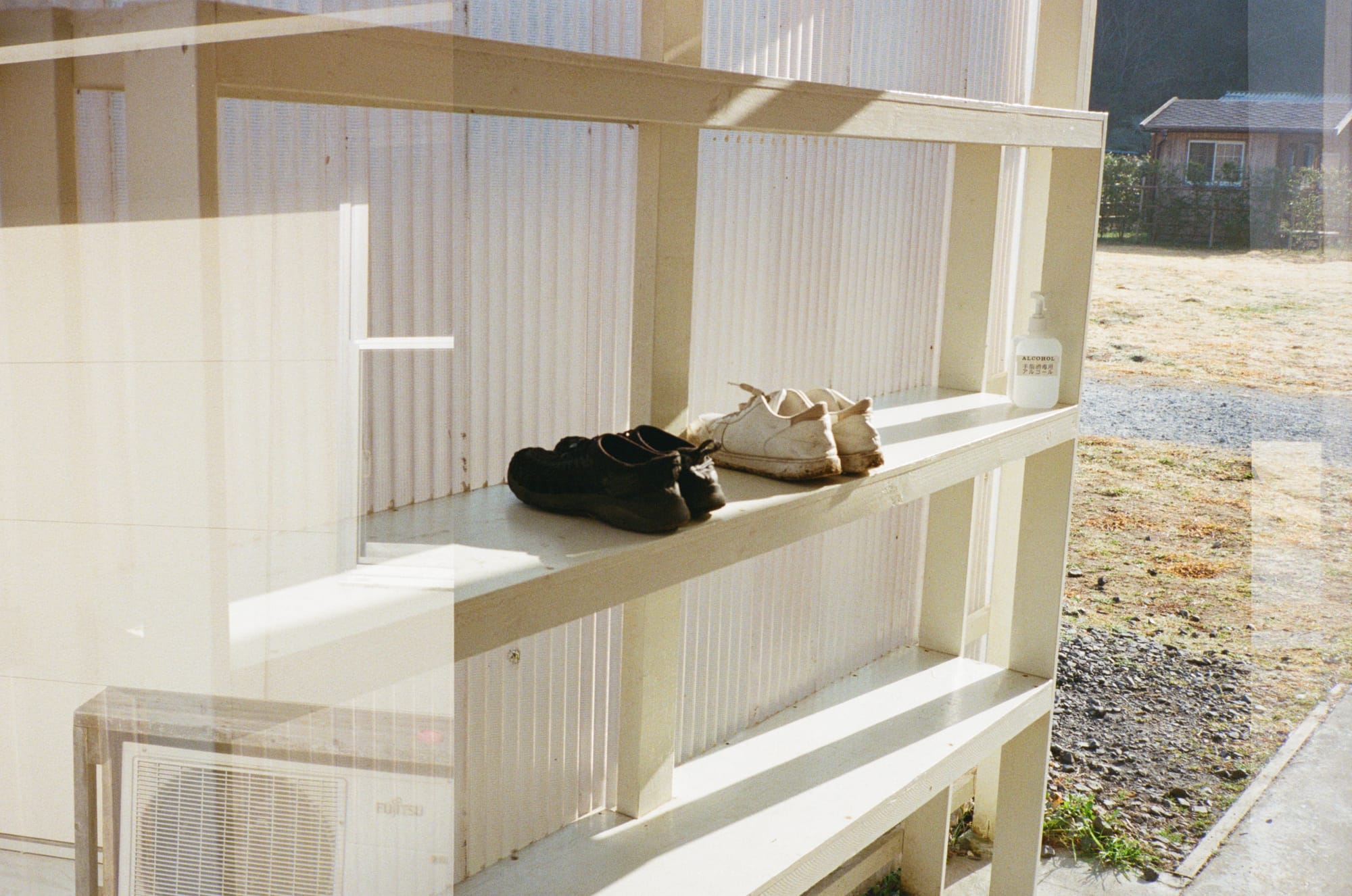
Even in the solitude of my room, there was no such thing as silence. I discovered a loud voice inside my head—a constant radio flitting between channels, broadcasting potential mistakes that I made in emails, interactions, rereading passive aggressive texts and heart-fluttering messages in my inbox. It cycled between past shame and future desires, and spun narratives about people around me.
Over time, that inner cacophony occasionally quietened. By the tenth day, when silence ended, I had grown comfortable living in my own head and didn't feel the urge to talk. I nearly retreated to my own room out of habit, but on the way I caught sight of a ring of ten people in the distance, chatting and laughing. Despite the unexpected social anxiety bubbling up in me, I felt curious. And as soon as I approached the ring, they rearranged the circle to open up a space for me and immediately absorbed me. We lingered on benches, sharing stories of our own journeys of pain, tears, confusion, unexpected moments of peace.
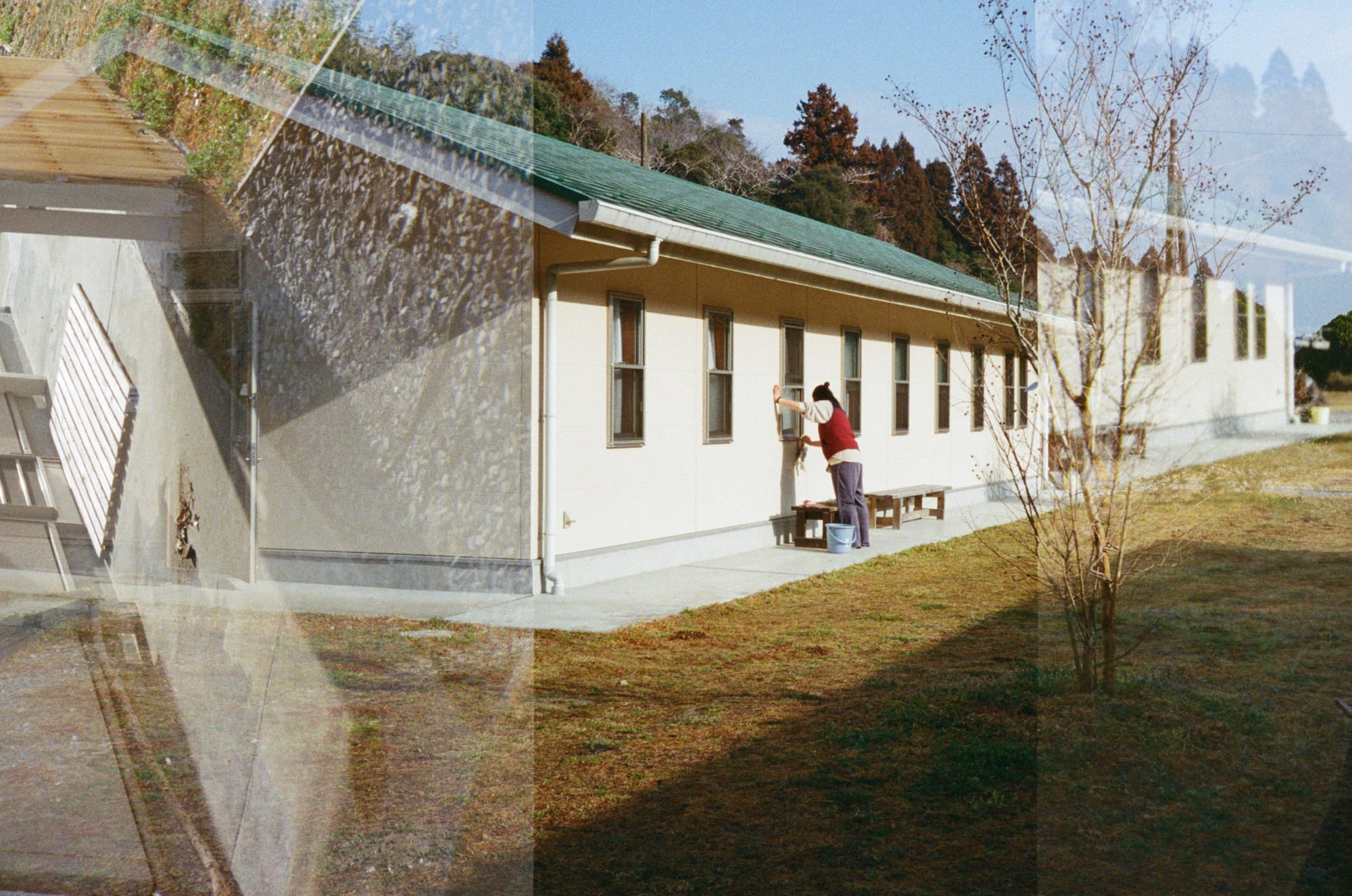
Our experiences were diverse: one person felt liberated by not having to cook any meals for her husband, of being taken care of for once, another felt frightened by being cut off from family for the longest time in their life. But so much more of it was remarkably similar. I felt unexpected joy in connecting, asking what others experienced, why they decided to join the course, and in discovering how warm and open everyone was, despite appearing distant for so long.
This contrast–like a veil lifted between us–stuck with me and followed me home, as I nostalgically walked my old neighbourhood and moved to a new one the following week. Am I similarly misjudging strangers around me, assuming they’re unfriendly or that we’d have nothing in common? How can I lift this veil a little in my everyday interactions?
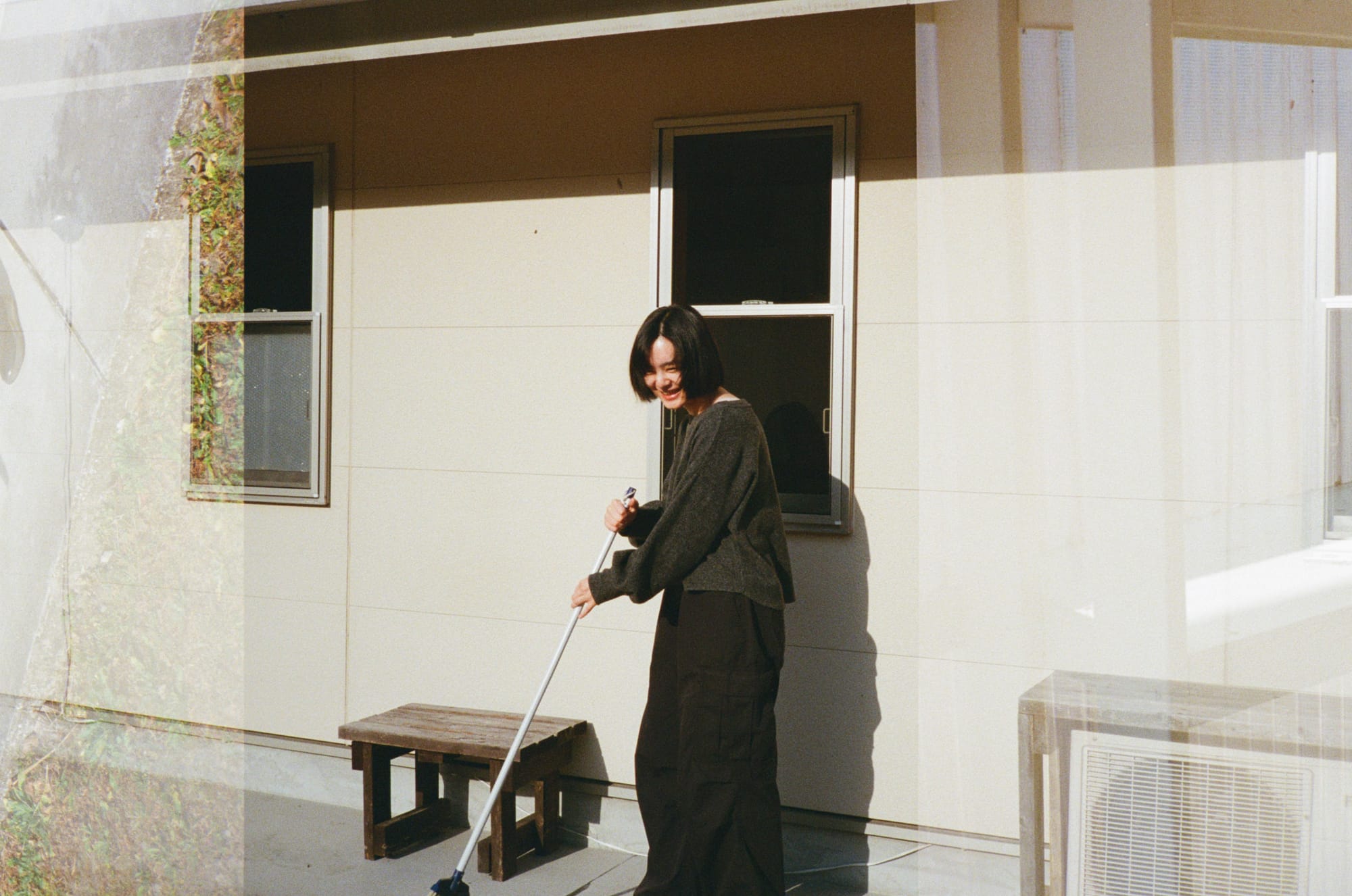
When I thought about the things I’d miss in my old neighbourhood, I recalled familiar strangers I’d never acknowledged, like an elder man who ran in the park between 7:00-7:30 every morning, shuffling with a half-filled plastic bottle of water in his right hand, a see-through umbrella in his left, back bent forward to the left like a doorknob, head hanging so low that I couldn't meet his eyes. I had watched him through COVID, concerned as he jogged in a cloth mask in summer heat. I was too timid to speak to him despite years of silent observation and admiration for his daily discipline, thinking I might scare him off. Or maybe that was the veil of assumptions that I'd cast between us.
In those ten days of silence, I found the opposite to my expectations: gentleness where I assumed strictness, warmth where I perceived cold. In silence I found constant communication–internal and external–whether we engage or not. The difference was the veil I had cast. Now when I buy bread, grab a coffee, or ride the bus, each quick mindless transaction offers a choice between maintaining the veil or acknowledging someone. These tiny moments gradually chip away at the veil. What possibilities are there in the in-between spaces of our everyday choreography of isolation?